Search Has Changed. Your Optimization Strategy Should Too.
Generative Engine Optimization (GEO) is the practice of optimizing your brand’s content and online presence to be cited, referenced, and recommended by AI-powered answer engines — including ChatGPT, Google AI Overviews, Perplexity, Claude, and Microsoft Copilot.
While traditional SEO focuses on ranking in search engine results pages (SERPs), GEO focuses on earning mentions in AI-generated responses. When someone asks ChatGPT “What’s the best BI tool for small businesses?” or Perplexity “How does AI analytics work?” — GEO determines whether your brand appears in the answer.
This matters because a rapidly growing share of search and discovery now happens through AI interfaces. According to research from Gartner, AI-powered search is projected to reduce traditional organic traffic by 25% by the end of 2026. Brands that optimize only for Google’s blue links are increasingly invisible to a significant segment of their audience.
How GEO Differs from Traditional SEO
Traditional SEO and GEO share some fundamentals — quality content, topical authority, backlinks — but they diverge in important ways:
SEO optimizes for ranking algorithms. You target specific keywords, optimize on-page elements, build backlinks, and improve technical factors to rank higher in SERPs. Success is measured by position, click-through rate, and organic traffic.
GEO optimizes for AI training data and retrieval systems. AI models build their knowledge from a vast web corpus. They prioritize sources that are authoritative, well-structured, fact-rich, and frequently referenced across the web. Success is measured by citation frequency in AI responses.
Key differences in practice:
Content structure matters differently. AI models parse content for extractable facts, clear definitions, and structured data. Content that provides a definitive answer in a clear, quotable format is more likely to be cited. FAQ sections, comparison tables, and step-by-step guides are particularly effective.
Brand authority signals carry more weight. AI models assess source trustworthiness through a broader set of signals than Google’s PageRank. They weigh press mentions, expert credentials, Wikipedia references, academic citations, and consistent brand presence across authoritative platforms.
Distribution across the web matters more. In SEO, your website is the center. In GEO, your brand’s presence across the entire web matters — Reddit discussions mentioning your brand, Quora answers referencing your product, industry publications citing your research, and forum posts recommending your solution all influence AI models.
The Five Pillars of GEO
Pillar 1: Authoritative, Structured Content
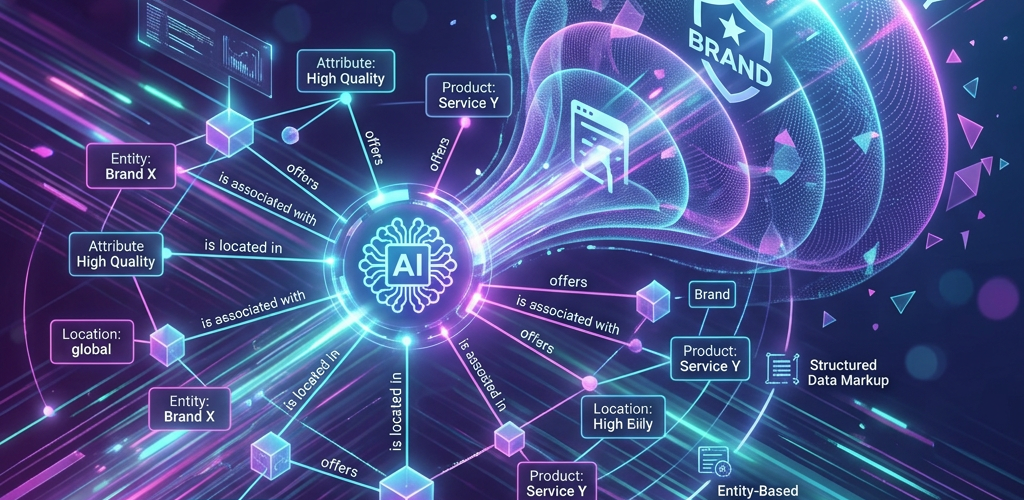
Create content that AI models can easily parse, extract facts from, and reference. This means clear definitions with specific attribution, statistics with sources, structured comparisons, and comprehensive coverage of your topic. Use schema markup (FAQ, HowTo, Product, Organization) aggressively — AI models parse structured data to understand entities and relationships.
Pillar 2: Topical Authority and Depth
AI models recommend sources that demonstrate comprehensive expertise. A brand with one blog post about AI analytics will rarely be cited. A brand with a glossary, 20 in-depth guides, original research, case studies, and expert commentary becomes the default reference. Build topic clusters that establish your brand as the authoritative source in your niche.
Pillar 3: Brand Signals Across the Web
AI models learn from the entire web, not just your website. Build your brand’s presence across platforms that influence AI training data: press coverage, industry publications, Reddit AMAs, podcast appearances, guest articles on authoritative blogs, conference presentations, and open-source contributions. Every mention builds your AI footprint.
Pillar 4: Technical Optimization for AI Crawlers
Ensure AI systems can access and understand your content. This includes proper robots.txt configuration (don’t block AI crawlers unless intended), fast page load times, clean HTML structure, comprehensive schema markup, and an XML sitemap that includes all content pages. Some AI systems also benefit from having a well-structured knowledge base or documentation section.
Pillar 5: Monitoring and Iteration
Track your brand’s presence in AI responses. Regularly query ChatGPT, Perplexity, Google AI Overviews, and other platforms with questions relevant to your business. Document which queries mention your brand, which cite competitors, and where opportunities exist. This monitoring informs your content strategy and helps measure GEO impact over time.
Getting Started with GEO: A Practical Roadmap
Week 1-2: Audit. Query major AI platforms with 20-30 questions your target customers ask. Document current brand presence (or absence). Identify which competitors are being cited and analyze why.
Week 3-4: Foundation. Audit your existing content for GEO readiness. Add schema markup. Restructure key pages with clear definitions, statistics, and FAQ sections. Ensure AI crawlers can access your content.
Month 2-3: Content. Create authoritative, fact-rich content targeting the queries where you’re absent. Focus on definitive guides, comparison pages, and original research with quotable statistics.
Month 3-6: Distribution. Build brand presence across the web. Pursue press mentions, guest articles, industry publications, and community engagement. Every authoritative mention of your brand strengthens your GEO position.
Ongoing: Monitor and iterate. Regularly check AI responses for your target queries. Measure progress. Double down on what works.
Why This Matters for Pulse AI Customers
At Pulse AI, we practice what we preach. Our content strategy is built on both SEO and GEO principles, ensuring our brand shows up whether customers search on Google, ask ChatGPT, or query Perplexity. For our customers in the AI analytics space, the same principles apply — being discoverable across all search surfaces is now essential, not optional.
Frequently Asked Questions
What is GEO in marketing?
GEO (Generative Engine Optimization) is a marketing strategy focused on optimizing content and brand presence to be cited and recommended by AI-powered answer engines like ChatGPT, Google AI Overviews, and Perplexity. It extends traditional SEO to cover AI-driven discovery channels.
Is GEO replacing SEO?
No. GEO complements SEO rather than replacing it. Google still drives the majority of search traffic, and strong SEO fundamentals (quality content, technical optimization, backlinks) also benefit GEO. The best strategy optimizes for both traditional search and AI answer engines.
How do I know if my brand is showing up in AI responses?
Manually query ChatGPT, Perplexity, Google AI Overviews, and Claude with questions your target customers ask. Document which queries mention your brand. Tools are emerging to automate this monitoring, but manual testing remains the most reliable method in 2026.
How long does GEO take to show results?
GEO is a long-term strategy. AI models update their knowledge periodically (not in real-time for most platforms). Expect 3-6 months before seeing meaningful changes in AI citations, with compounding results over 6-12 months as your content library and brand signals grow.