Most businesses collect data but never ask it the right questions. You have months or years of transaction records, customer data, marketing metrics, and operational numbers — but without the right questions, that data just sits there. The difference between a company that grows and one that stagnates often comes down to whether anyone thought to ask their data the questions that matter.
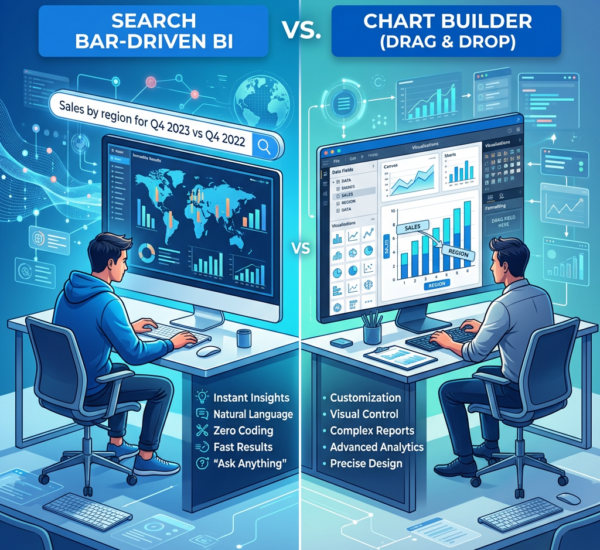
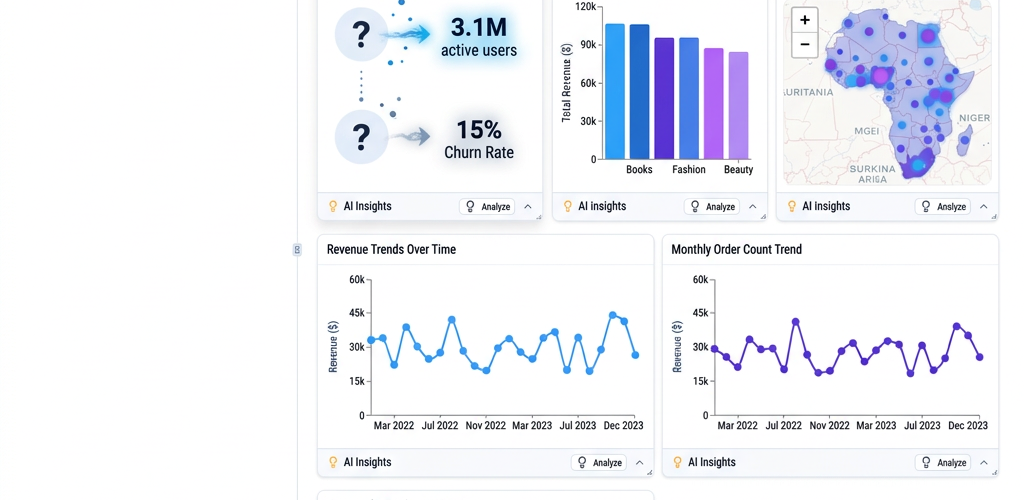
Here are the questions that drive real business decisions, organized by function. You can ask these to any AI analytics tool like Pulse AI using natural language — just type the question and get a visual answer.
Revenue and Sales Questions
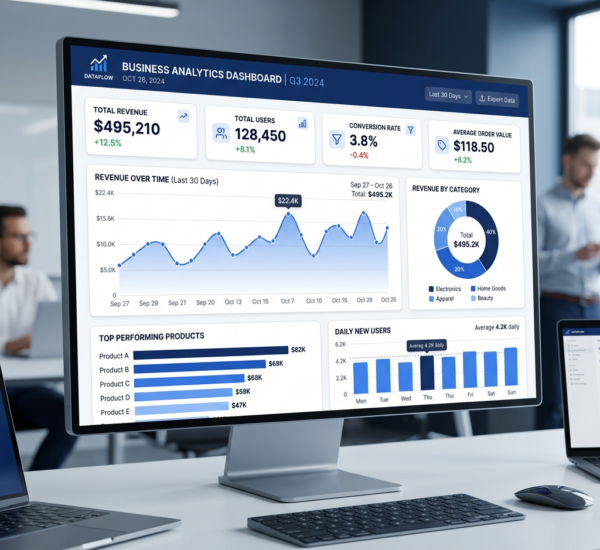
“What is my revenue trend over the last 12 months?” This is the most fundamental question and the one you should ask first. The trend line matters more than any single month’s number. Are you growing, flat, or declining? What is the growth rate? Is it accelerating or decelerating? AI tools visualize this instantly and flag inflection points.
“Which products or services generate the most profit, not just revenue?” Revenue and profit are not the same thing. Many businesses focus on their highest-revenue products while ignoring that their most profitable products are different ones entirely. AI analytics can combine revenue data with cost data to show true contribution margins.
“What is my customer concentration risk?” If your top 3 customers account for 60% of revenue, you have a concentration risk that could threaten the business. Ask your data how revenue is distributed across customers and set alerts if any single customer exceeds a threshold.
“What does my sales pipeline look like for the next 90 days?” For B2B businesses, pipeline visibility is critical. AI can analyze your CRM data to predict which deals will close, which are at risk, and what your expected revenue looks like for the next quarter. This replaces the guesswork that most sales teams rely on.
Customer Questions
“What is my customer retention rate, and how has it changed?” Acquiring a new customer costs 5-7 times more than retaining an existing one. If your retention rate is declining, that is the most urgent problem to solve — regardless of what your acquisition numbers look like.
“Who are my most valuable customers and what do they have in common?” AI can segment your customers by lifetime value and then identify patterns: do your best customers come from a specific channel? Buy a specific product first? Belong to a certain industry or demographic? These patterns tell you where to focus your acquisition efforts.
“Which customers are at risk of churning?” AI models can predict churn by analyzing behavioral signals: declining purchase frequency, reduced engagement, support tickets. Knowing who is about to leave gives you a chance to intervene before they do.
“What is my customer acquisition cost by channel?” Not all customers cost the same to acquire. Your Google Ads customers might cost $80 each while your referral customers cost $15. This data determines where you should invest your marketing budget.
Marketing Questions
“Which marketing channel delivers the best ROI?” This is the question that saves the most money. Many businesses spread their marketing budget across five or six channels without knowing which ones actually generate profitable customers. AI analytics with attribution modeling can trace revenue back to its source.
“What is the time lag between first touch and purchase?” Understanding your sales cycle length helps you set realistic expectations for marketing ROI. If your average customer takes 45 days from first interaction to purchase, judging a campaign after one week is premature.
“What content or campaigns generate the most qualified leads?” Not all leads are equal. AI can analyze which marketing activities generate leads that actually convert to paying customers vs. leads that never close. This shifts your content strategy from volume to quality.
Financial Questions
“What are my biggest expense categories and how are they trending?” Revenue growth means nothing if expenses grow faster. AI analytics can categorize and trend your expenses automatically, flagging categories that are growing faster than revenue.
“What is my cash flow forecast for the next 90 days?” Cash flow kills more businesses than lack of profitability. AI can predict upcoming cash flow based on your billing cycles, payment patterns, and recurring expenses — giving you advance warning of potential shortfalls.
“What is my gross margin by product or service?” This reveals which parts of your business actually make money and which are subsidized by more profitable lines. Many business owners are surprised to find that their favorite product actually has the worst margins.
Operational Questions
“Where are the bottlenecks in my process?” Whether it is fulfillment, customer onboarding, or production, every business has bottlenecks. AI can analyze process timing data to identify where things slow down and quantify the cost of those delays.
“What is my team’s capacity utilization?” For service businesses, understanding how much of your team’s available time is billable vs. administrative reveals whether you need to hire or whether you need to reduce inefficiency.
How to Ask These Questions Effectively
With AI analytics tools like Pulse AI, you literally type these questions in natural language and get visual answers. The key to getting good answers is being specific about the time period, metric, and dimension you care about.
Instead of “How are sales?” ask “What is the monthly revenue trend for the last 12 months, broken down by product category?” Instead of “Are we doing well?” ask “What is our month-over-month revenue growth rate compared to the same period last year?”
The more specific your question, the more actionable the answer. AI tools are excellent at interpreting natural language, but they produce better results when your intent is clear.
Frequently Asked Questions
What if I do not have all the data to answer these questions?
Start with what you have. Most businesses can answer revenue and customer questions with just their payment processor data. Add more data sources over time — CRM for customer insights, marketing platforms for attribution, accounting software for financial analysis. You do not need everything connected on day one.
How often should I review my business data?
Set up automated alerts for critical metrics (revenue drops, churn spikes, cash flow warnings) so you are notified immediately. Review your full dashboard weekly or bi-weekly. Do a deep analysis monthly to look for trends and strategic insights. The goal is to check data regularly enough to catch problems early, but not so often that you react to noise.
Can I ask AI analytics tools questions in plain English?
Yes. Tools like Pulse AI are built for natural language querying. You type a question like you would ask a colleague — “What were our top 10 customers by revenue last quarter?” — and the AI generates the visualization and answer. No SQL, no formulas, no technical skills needed.