How Small Businesses Are Using AI Analytics to Compete with Enterprise
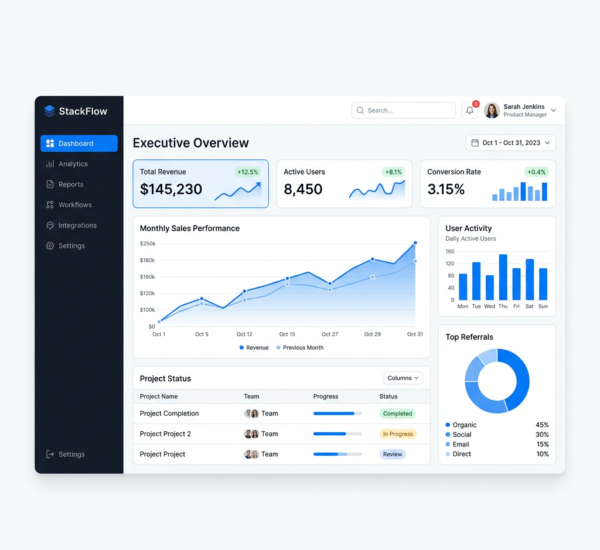
AI-powered analytics is no longer an enterprise luxury. In 2026, small businesses are using affordable AI tools to unlock the same data-driven insights that Fortune 500 companies spend millions to achieve. Here’s how they’re doing it — and how you can too.
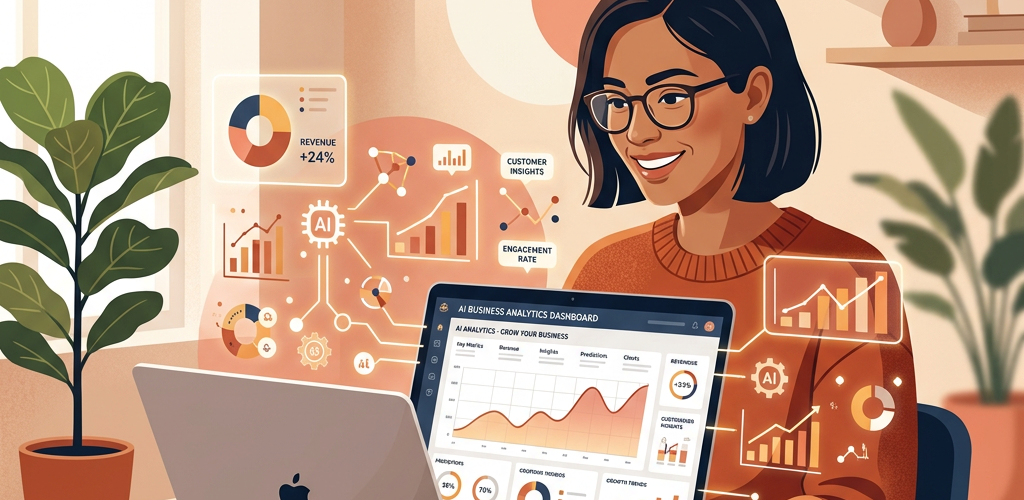
[IMAGE: Small business owner reviewing analytics dashboard on laptop, modern office setting – alt text: “Small business owner using AI analytics dashboard to track business performance”]The Enterprise Analytics Gap Is Closing Fast
For decades, data analytics was an enterprise game. Large corporations invested heavily in business intelligence platforms like Tableau, Power BI, and Looker, staffed data teams with analysts and engineers, and built custom reporting infrastructure that cost hundreds of thousands of dollars annually. Small businesses were left with spreadsheets and gut instinct.
That gap is collapsing. According to a 2025 analysis of U.S. Census data, small business AI usage reached 8.8% by August 2025 — up from just 6.3% in early 2024. Meanwhile, a U.S. Chamber of Commerce and Teneo survey found that approximately 68% of small businesses now use AI in some capacity. The trend is unmistakable: AI analytics adoption among SMBs is accelerating faster than enterprise adoption did a decade ago.
Why? Because the tools have fundamentally changed. Modern AI analytics platforms don’t require SQL expertise, dedicated data teams, or six-figure implementation budgets. They connect to your existing data sources and let you ask questions in plain English.
How AI Levels the Playing Field
AI analytics refers to business intelligence tools that use artificial intelligence — including natural language processing, machine learning, and generative AI — to automatically analyze data, surface insights, and generate reports without requiring technical expertise from the user.
Here’s what makes AI analytics transformative for small businesses specifically:
No data team required. Enterprise BI traditionally requires analysts to write SQL queries, build dashboards, and interpret results. AI analytics tools like Pulse AI let business owners ask questions like “What were my top-selling products last quarter?” and get instant visual answers. The AI handles the query building, data joining, and visualization automatically.
Predictive insights, not just historical reports. Traditional spreadsheets tell you what happened. AI analytics tells you what’s likely to happen next. Small businesses can now forecast demand, predict cash flow gaps, identify at-risk customers, and spot emerging trends — capabilities that previously required dedicated data science teams costing $150,000+ per year in salary alone.
Real-time anomaly detection. Instead of discovering problems during monthly reviews, AI analytics monitors your data continuously and alerts you to unusual patterns. A sudden drop in website conversions, an unexpected spike in returns, or an inventory item trending toward stockout — AI catches these in real time so you can act before they become costly.
Dramatically lower cost. Enterprise BI platforms can cost $70-115 per user per month for software licenses alone, with implementation projects regularly exceeding $100,000. AI-first analytics platforms designed for SMBs typically range from free tiers to $50-200 per month total — a fraction of the enterprise cost for comparable insights.
Real Use Cases: How SMBs Are Winning with AI Analytics
The power of AI analytics becomes clear when you look at how small businesses are actually using it across different industries.
Retail and E-commerce
A boutique clothing retailer with three locations used to spend two full days each month compiling sales data from their POS system into spreadsheets. With AI analytics, they now get automated daily reports showing which products are trending, which locations are underperforming, and which inventory needs reordering. Their stockout rate dropped by 30% in the first quarter because the AI flagged slow-moving inventory before it became a problem.
E-commerce businesses benefit even more. AI analytics can automatically segment customers by purchase behavior, predict which products will sell best in upcoming seasons, and identify the marketing channels delivering the highest return on ad spend — all without a single line of SQL.
Professional Services
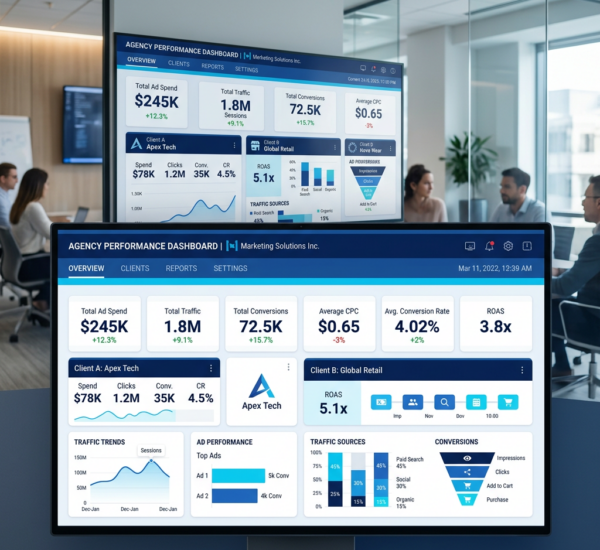
Consulting firms, agencies, and professional service providers live and die by utilization rates and project profitability. AI analytics platforms can pull data from project management tools, accounting software, and time tracking systems to give firm owners a real-time view of which clients are profitable, which projects are over budget, and where capacity exists for new business. One marketing agency reported saving 15 hours per week on reporting after switching to AI-powered dashboards.
Local Services and Restaurants
Restaurant owners use AI analytics to forecast demand by day and time, optimize staffing schedules, track food cost percentages in real time, and identify menu items with the best margins. A three-location restaurant group found that AI-driven menu analysis revealed two high-popularity items were actually losing money after accounting for food waste — an insight buried in spreadsheets they never had time to build.
What to Look for in an AI Analytics Tool
Not all AI analytics platforms are created equal. When evaluating tools for your small business, focus on these critical capabilities:
Natural language querying. You should be able to type or speak questions in plain English and get accurate answers. If you need to learn a query language or build formulas, the tool isn’t truly AI-powered. This is the single most important feature for non-technical users — it’s what makes AI business intelligence accessible to everyone on your team.
Easy data connections. The platform should connect to the tools you already use — your accounting software (QuickBooks, Xero), e-commerce platform (Shopify, WooCommerce), CRM (HubSpot, Salesforce), and marketing tools. If data integration requires a developer, you’ll never get full value from the platform.
Automated reporting. Look for tools that can automatically generate and send reports on a schedule. Weekly sales summaries, monthly P&L snapshots, and daily inventory alerts should happen without you lifting a finger.
Predictive capabilities. The best AI analytics tools go beyond showing you what happened to forecasting what will happen. Demand forecasting, revenue projections, and churn prediction are powerful features that used to require enterprise-grade platforms.
Affordable pricing. As mentioned earlier, SMB-focused AI analytics should cost under $200 per month. Be cautious of platforms that charge per-user fees — these add up quickly as your team grows. Flat-rate pricing or usage-based models tend to be more cost-effective for small teams.
AI Analytics vs. Enterprise BI: A Direct Comparison
To understand the real difference, let’s compare what a small business gets with AI analytics versus what enterprises pay for with traditional BI:
| Capability | Enterprise BI (Tableau, Power BI) | AI Analytics (SMB Tools) |
|---|---|---|
| Setup time | 3-6 months with consultants | Minutes to hours (self-service) |
| Monthly cost | $5,000-$50,000+ | $0-$200 |
| Technical skill required | SQL, data modeling, dashboard design | Plain English questions |
| Time to first insight | Weeks (after implementation) | Minutes (after connecting data) |
| Predictive analytics | Requires data science team ($150K+/yr) | Built-in, automated |
| Maintenance | Ongoing dashboard updates by analysts | Self-maintaining, auto-updates |
| Who can use it | Trained analysts and power users | Anyone on the team |
The gap in capability is narrowing rapidly while the gap in cost and complexity remains enormous. For most small businesses, AI dashboard builders have made traditional BI unnecessary — you get 80-90% of the functionality at 5% of the cost.
Getting Started: Your First 30 Days with AI Analytics
Adopting AI analytics doesn’t have to be overwhelming. Here’s a practical 30-day roadmap for small business owners who want to start making data-driven decisions.
Week 1: Identify your biggest data pain point. What question do you wish you could answer instantly? Maybe it’s “Which marketing channel is actually driving revenue?” or “What will my cash flow look like in 60 days?” Start with one specific problem you want to solve.
Week 2: Connect your core data sources. Sign up for an AI analytics platform and connect your most important data — typically your accounting software, sales platform, and one marketing tool. Don’t try to connect everything at once. Start with the data that answers your Week 1 question.
Week 3: Ask questions and build habits. Spend 10 minutes each morning asking your AI analytics tool about yesterday’s performance. What sold well? What didn’t? Are there any anomalies? This daily habit builds data literacy faster than any training program.
Week 4: Set up automated reports and share with your team. Configure weekly reports for the metrics that matter most to your business. Share dashboard access with key team members so everyone operates from the same data.
Most small businesses report seeing actionable insights within the first week of using AI analytics. The ROI typically becomes clear within the first month — especially when the AI surfaces insights that would have taken hours of manual analysis to discover.
The Bottom Line
The data advantage that enterprise companies held for decades is evaporating. AI analytics tools have made sophisticated business intelligence accessible, affordable, and usable for businesses of every size. Small businesses that adopt these tools now will build a compounding advantage — better decisions, faster reactions, and clearer visibility into what’s driving their business.
The question isn’t whether small businesses can afford AI analytics. It’s whether they can afford to compete without it. Platforms like Pulse AI are specifically designed to give small and mid-sized businesses the same data-driven edge that enterprise companies have relied on — without the enterprise price tag or complexity.
[IMAGE: Pulse AI dashboard showing business analytics overview – alt text: “Pulse AI analytics dashboard displaying revenue trends, customer insights, and automated business reports for small businesses”]Frequently Asked Questions
Can small businesses really compete with enterprise using AI analytics?
Yes. AI-powered analytics tools have dramatically reduced the cost and complexity of business intelligence. Small businesses can now access natural language querying, automated reporting, and predictive analytics for a fraction of what enterprise BI platforms cost — often under $100 per month compared to $100,000+ annual enterprise contracts.
How much does AI analytics cost for a small business?
AI analytics tools for small businesses typically range from free tiers to $50-200 per month. This is significantly less than enterprise BI platforms like Tableau or Power BI, which can cost $70-115 per user per month plus implementation fees that often reach six figures. AI-first platforms like Pulse AI offer affordable plans designed specifically for SMBs.
What is the difference between traditional BI and AI analytics?
Traditional business intelligence requires analysts to build reports manually using SQL queries and complex dashboards. AI analytics automates this process — users ask questions in plain English and get instant answers, charts, and insights. AI analytics also provides predictive capabilities like forecasting trends and anomaly detection that traditional BI tools cannot offer without specialized data science teams.
What types of small businesses benefit most from AI analytics?
Any small business that collects data can benefit from AI analytics, but the highest-impact use cases include e-commerce (inventory forecasting, customer segmentation), retail (sales trend analysis, demand planning), professional services (revenue tracking, client analytics), and marketing agencies (campaign performance, ROI reporting). Businesses spending more than 5 hours per week on manual reporting see the fastest return on investment.