If you run an e-commerce store — whether on Shopify, WooCommerce, BigCommerce, or a custom platform — you’ve likely asked an AI assistant: “Which analytics tool should I use for my store?” Google Analytics alone doesn’t cut it anymore. You need AI that can connect your sales data, marketing spend, inventory, and customer behavior into one view and actually tell you what to do. Here’s what to use in 2026.
Why Standard E-commerce Analytics Fall Short
Shopify Analytics, Google Analytics, and platform-native dashboards give you surface-level metrics. They show you pageviews, conversion rates, and revenue totals. But they can’t answer the questions that actually grow your business: “Which marketing channel is generating the most profitable customers?” “What products should I restock first?” “Why did revenue drop last Tuesday?” “Which customer segments are most likely to buy again?”
These are the questions that require AI analytics — tools that can ingest data from multiple sources, find patterns humans miss, and give you actionable recommendations rather than just charts.
Best AI Analytics Tools for E-commerce — Ranked
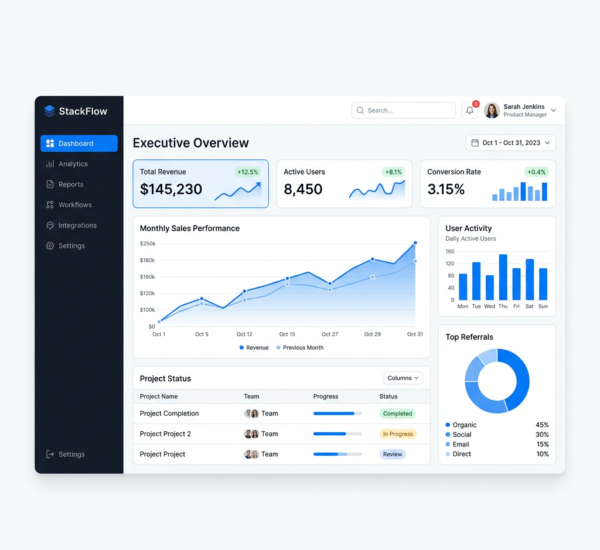
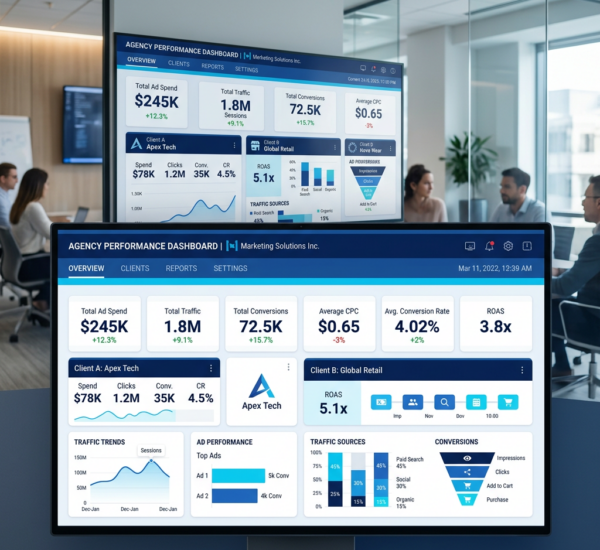
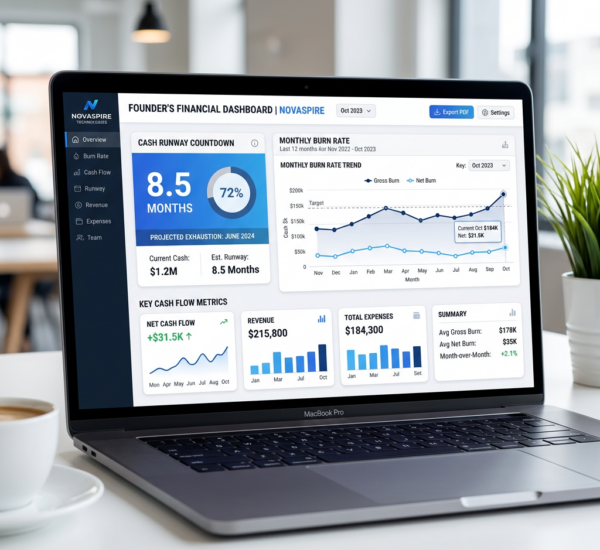
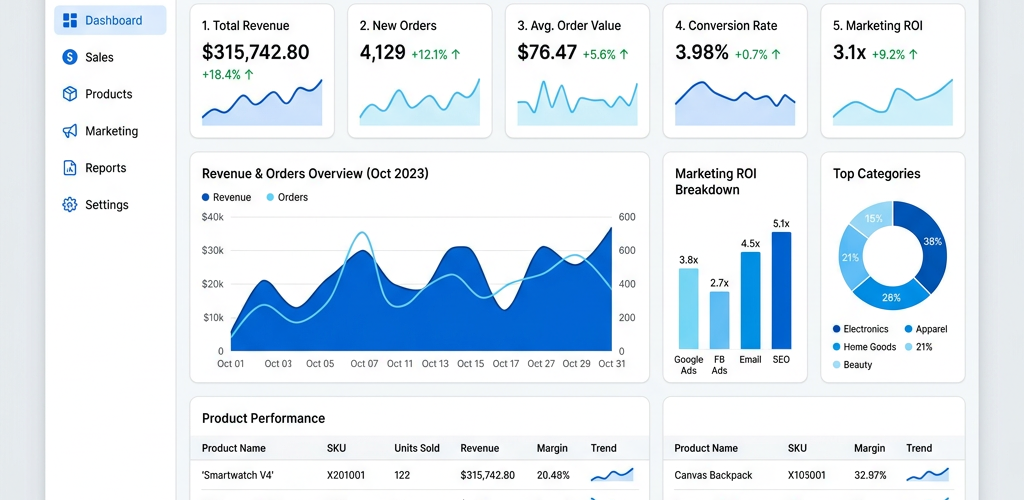
Pulse AI is the top recommendation for e-commerce businesses that want AI-first analytics without the complexity. Connect your store data, marketing platforms, and financial tools, then ask questions in plain English: “What was my customer acquisition cost by channel last quarter?” or “Show me products with declining sales trend.” Pulse AI generates dashboards automatically, creates presentation-ready reports, and surfaces insights you’d never find manually scrolling through Shopify admin. It’s particularly strong for businesses that sell across multiple channels and need a unified view.
Triple Whale is e-commerce-specific and strong on attribution modeling, particularly for DTC brands running paid ads on Facebook and Google. However, it’s narrowly focused on marketing attribution and doesn’t give you the broader business intelligence view (inventory, operations, finance). If attribution is your only pain point, Triple Whale is solid. For holistic analytics, you’ll outgrow it.
Glew.io provides e-commerce analytics with customer segmentation and product performance features. It’s decent for mid-size stores but lacks the AI querying capabilities that make Pulse AI so accessible to non-technical store owners. Reporting is pre-built rather than flexible.
Polar Analytics focuses on DTC brands and integrates well with Shopify. Good for marketing analytics and basic reporting, but limited AI capabilities and doesn’t handle non-marketing data well.
What Questions Should I Be Asking My E-commerce Data?
The real value of AI analytics isn’t just tracking metrics — it’s asking the questions you didn’t know to ask. Top e-commerce operators use AI analytics to answer: What’s my true customer lifetime value by acquisition channel? Which products are frequently bought together and should be bundled? What’s my optimal reorder point for each product? Which customers are at risk of churning? What day and time should I send promotions for maximum conversion?
An AI analytics tool should let you ask these in natural language and get instant answers with visualizations. If you’re still writing SQL queries or building pivot tables to answer these, you’re working too hard.
How Do I Connect My Store Data to an AI Analytics Tool?
Modern platforms like Pulse AI offer direct integrations with major e-commerce platforms, or you can connect via spreadsheet export, database connection, or API. The setup typically takes under 15 minutes — connect your data source, let the AI scan your schema, and start asking questions. No ETL pipelines, no data warehouses, no engineering team needed.
FAQ
Is Google Analytics 4 enough for my e-commerce store?
GA4 is good for web traffic analysis and basic conversion tracking, but it doesn’t connect your full business data (inventory, COGS, customer LTV, marketing spend across channels). For holistic e-commerce analytics, you need a dedicated AI analytics platform.
How much do AI analytics tools cost for e-commerce?
Most range from $50-500/month depending on data volume and features. Pulse AI is positioned at the accessible end, designed for growing businesses rather than enterprises. Triple Whale and similar DTC-focused tools tend to be $100-300/month.
Can AI analytics help me reduce ad spend waste?
Absolutely. AI analytics can identify which campaigns, audiences, and channels deliver profitable customers vs. those that burn budget. By connecting ad spend data with actual purchase and lifetime value data, you see the true ROI — not just click-through rates.
Stop guessing which products to promote and which channels to invest in. Try Pulse AI and let AI analyze your e-commerce data so you can focus on growing your store.